Dog Scabbing 101 - What You Need to Know About Dog Scabs
Causes

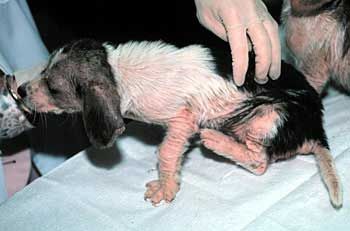
If you've noticed scabbing in your dog's skin and other skin problems erupting all over your dog's body, it may be because of a developing skin infection caused by different factors such as the environment, the food that your dog eats, certain substances in the house that causes scabbing, or others. There are a lot of reasons why dogs develop scabs such as abnormal sebaceous glands, parasites like fleas and mites, and severe sores due to irritants. So you need to know what the factors or changes are to be able to cure the disorder and prevent it from occurring again.

The thing about dog scabbing is that these are usually the end result of too much scratching and itching, which normally causes sores to develop in the areas where the scratching occurs the most. Dermatitis, a general term for dog skin disorders, usually is the diagnosis for dogs that experience pain, itch, and irritation all over their bodies and would scratch endlessly, causing them to pull of their fur, lick and scratch raw skin, and develop sores that later on would develop into scabs. Another explanation for dog scabbing could be flea bites that have healed over, so most likely there would be cases where you would find fleas dwelling within those scabs.

Solutions

Here are some solutions that would help stop your dog from forming scabs and treating scabs that have already manifested in your dog's body for quite some time:

  • What you can do to prevent dog scabbing is to give it regular flea baths in which the scabs would eventually come off on its own. It is important that the baths are done every one to two weeks so that the flea bites will be able to heal and be prevented in the future when your dog is ready to go out and play again.
  • Try not to pull out too many (or at all) of the scabs as this is usually discouraged because of possible scarring, especially when the scabs haven't healed yet over time. Most vet nurses and practicing doctors would encourage dog owners to take their pets to clinics and veterinary centers for good treatment. Though this would be more expensive than home remedies, in most cases flea bites and scabbing heal faster with proper medication and treatment.
  • Visiting the veterinarian is always a good idea, especially if you're handling strays, because they will be able to observe if the dog has other diseases and skin infections that could be causing the abnormal dog scabbing. Another reason why it is best to take dogs with scabs to the vet is because these scabs are normally caused by parasites like mites and fleas, so even humans could get affected by this skin disorder.
  • I also recommend you check out products that naturally help to clear up dog scabs by working with your dog's immune system. Some of these products will also help to relieve scratching and itching that accompanies or causes the scabbing.
by Brandon Roe

If you're looking for more information on what to do, the World Wide Web is usually the best place for information and actual forum discussions between pet owners and vets. You can also call the hotlines of vet clinics if you think professional advice is needed.

Help get rid of your dog's scabs quickly and naturally with the veterinary-approved K9 KlearUp! Guaranteed to help clear up your dog's scabs and skin problems... or you get 100% of your money back, no questions asked. Visit k9klearup.com for a FREE Dog Skin Care Guide.

My Dog Has Ringworm, Now What?

Ringworm in dogs is a very common disease, but ringworm is not a worm but a fungus - little spores land on susceptible skin and start feeding on the dead skin cells. Its appearance as a red ring of rash led to the misnomer ringworm!

SYMPTOMS

Some of the visible signs to detect whether your dog maybe suffering from ringworm disease:

- Small hairless patches on the body
- Scaly skin with dandruff like flakes and with pus in the area
- Red ring of rash
- Common areas of attack are the face, tips of the ears, tail and paws

CAUSES

There are several different types of ringworm or fungi; Microsporum canis is the most predominant one found on dogs and cats. Transmission happens through direct contact with another infected animal or person. People can give it to dogs and vice versa. The fungal spores can live for a very long time in the environment and can usually be found in carpets, bedding etc and infects dog or human when they come in contact with it.

Once your dog is infected with ringworm it can remain contagious for up to 3 weeks and this duration is when the dog is undergoing aggressive treatment. What is heartening to know is that most dogs usually develop immunity to the ringworm disease.

SOLUTION

Ringworm usually last as long as 8 weeks without treatment and then disappears. However to avoid your dog suffering, treatment must be given to cut down the time it will be contagious (please consult your vet if you suspect your dog has ringworm.)

Vets usually prescribe the anti fungal drug Giseofulvin that acts as a fungal inhibitor. This drug has side effects like diarrhea, vomiting and nausea. This tablet does not get absorbed from the stomach unless there is fat included so try giving it to your dog with some fatty meat for it to be effective.

Vets may also prescribe a topical antifungal medication to be applied on the affected areas for a specific period. Be very careful not to get in your dog's eyes.

Antifungal shampoo baths should be given under the guidance of your Vet. You should also bathe any other dogs and cats you may have one time with the shampoo. Don't forget to lather well and leave on for 5 minutes at least.

Lime sulphur dips twice a week are often recommended. It is better for your Vet to administer the dip as it stains clothes and jewelry and worse - it stinks like rotten eggs!

Using a mixture of bleach and water in the ratio 1:10, wipe down all visible surfaces and vacuum daily. Steam clean your carpets and curtains and wash out your dog's bedding and kennel with the bleach solution and lots of hot water. This should kill most of the spores.

PREVENTION

While there is no definite procedure to guarantee prevention of ringworm, you can adopt preventive measures like limited exposure of your dog to other dogs; maintain good hygiene in your home and with your dog's things; groom your dog thoroughly on a regular basis; and by taking steps to avoid cross contamination and human transmission.

by Brandon Roe

Dog Flea Bites - Home Remedies For Your Dog's Relief

Dog wearing Elizabethan collar at vet clinic
Dogs love to play and explore their surroundings, especially when there are other dog playmates around the neighborhood. But when left unattended, especially in areas where all kinds of filth can be found, some dogs suffer from what is popularly known as "fleas" or "dog flea bites". If your dog was once a happy and enthusiastic playmate and is now suffering from hair loss and incessant scratching, this could be a case of dog flea bites and should be treated immediately before it becomes worse.

To be able to understand how dogs suffer from these bites, it is important that you know what really happens when fleas crawl up into the dog's body and start to bite all over. Basically when a flea bites, it excretes saliva and other irritating substances that usually cause an allergic reaction in some dogs, making them scratch all over until hair falls off and sores begin to develop. Such skin eruption is usually characterized by red spots surrounded by a reddened circle or halo, so if you see these kinds of spots on your dog, which is usually either on the lower back or tail, abdomen, and thigh areas, it's most likely a case of dog flea bites. If left untreated, the skin disorder will become severe, causing the skin to thicken and darken and hot spots to start developing, which normally appear as red painful sores, which are extremely uncomfortable for your dog.

Solutions

The good thing about dog flea bites is that there are home remedies which can stop the itching and rid your dog of these parasites. Here are some remedies that you can apply if you've discovered that your dog is suffering from nasty flea bites:

· To be able to prevent the alleviation of inflammation, bathe your dog with cold water to stop the itch and keep him or her clean so that secondary infections won't occur in the future. Never use warm or hot water as this could stimulate the itching again and increase the pain of the sores at the same time.

· Most veterinarians and experts suggest using fresh aloe vera and other herbal plants to sooth the inflamed skin of the dog. Aloe vera is especially recommended since it has significant properties meant to heal and sooth the pains of skin infections and disorders, even on humans.

· You can add foods with fatty acid (ex. Flaxseed oil) in order to supplement your dog's diet with foods that have anti-inflammatory effects. This will be very helpful as it will increase your dog's chances of healing faster from flea bites.

If none of these home remedies work for your dog and the condition becomes chronic in nature, it would be best to visit your local vet for observation and stronger medication, which could be in the form of steroid creams or injections. This will promote faster relief for your dog as well as healing.

I also strongly recommend you check out natural products that specialize in treating dog flea bites. There are a variety out there but one of the most effective ones I've ever seen contains the Mayan traditional herb Tepezcohuite.

by Brandon Roe

What's the Best Dog Shampoo?

Woman bathing a dog

There are hundreds of dog shampoo products and dog product manufacturers. Because of this, many dog owners find it difficult to choose one that fits their dog's needs the best. It is important to take note that human shampoo, no matter how expensive, elegant, or mild, is not appropriate for a dog's hair.

Human hair and dog hair have very different genetic structure that should be treated with care. Presently, you may have your trusted dog shampoo brand, but please two minutes to read this short guide in order to make sure that the product you chose is the best shampoo for your dog.

How To Decide?

There are five factors that you must consider in choosing the best dog shampoo-the quality, the promised efficacy, the ingredients, the fragrance, and of course, the price.

QUALITY - When it comes to the shampoo's quality, test how the dog responds to the product, and see for yourself if bathing your dog with this shampoo is easy or not. It's very important that the shampoo you choose can be lathered and rinsed well.

EFFICACY - By promised efficacy, it means that the product should highlight the desired results that it presented in the package. A dandruff shampoo, a shiny coat shampoo, a moisturizing shampoo, a hair growing shampoo and many other types must fulfill the promise that they leave to the consumers.

INGREDIENTS - As much as possible, owners must choose shampoos that are hypoallergenic. This type of product contains mild ingredients that do not irritate the skin and produce serious allergic reactions. Choosing products with natural ingredients is also recommended, as biological conservation and eco-friendliness have also become pressing concerns today. Some of the most popular natural and organic ingredients used in dog shampoos today are aloe vera, peppermint, burdock, and shea butter.

It is important to take note though that many dog shampoos are not mild and natural, in as much as these dog products are aimed to cure certain skin conditions. There are shampoos for dogs suffering from itchiness caused by ant bites, fleas, ticks, and many other insects. There are also shampoos for dogs experiencing skin inflammation, wounds, and hair loss. Serious skin conditions, it must be emphasized, are a veterinarian's business. Over the counter dog shampoo medications sold at pet supply stores are only for mild cases.

FRAGRANCE - The dog must feel homey, and this can be heightened by choosing the best dog shampoo whose fragrance is sweet and reminds the dog of his or her home. In picking a scent, choose something similar to the smell of home-the smell of jasmine, or orange, or strawberry, or lavender, or anything that reminds the dog that it is indeed at its home sweet home.

PRICE - The price of the product should also be a concern, but it is advised to check the label first before worrying about the tag price. Since the bottle will be consumed in perhaps two to three months, it is better to put in the basket something that is mid-range or expensive in price but very worthy to be used than a less-expensive one that does not show satisfying results.

***************
Brandon Roe is the author of "The Official Dog Coat and Skin Care Guide", a comprehensive 52-page guide to healthy dog skin. To receive your complimentary copy FREE today, visit www.K9KlearUp.com

What Stress Can Do to Your Dog

Family with sick dog sitting in veterinary clinic waiting room
Stress for a pet can either be physical or emotional, just as with their human owners. Stress can be triggered by a change in the pets environment or what a pet perceives as a threat to their well-being.

Health problems such as infections, injuries, injuries from fights and changes in the amount of exercise can cause stress. Boarding in unfamiliar places, breeding, whelping, performing in shows, and travel can cause stress. A death in the immediate family of the owner which can cause a loss of affection can cause stress. Earthquakes, home fires, extra people in the home can cause stress. Sudden changes in the living area such as new furniture or a new home can cause stress. Age is also a factor with stress. Older pets do not react well to changes in their routine. They also become set in their ways. In older pets it is advisable to arrange a sitter rather than put the pet in a kennel if travel for the owner becomes an issue. The pets environment and routines will have only a minimal change. Usually a little more protein and fat are a good idea. For an amount specific to your breed consult your veterinarian.

Stress can cause a change in your pets behaviour. Changes can be aggressive behaviour or complete depression. Either scenario requires TLC (tender loving care). Keep yourself and your pet as calm, quiet and relaxed as possible. Provide comfort food, lots of water and a quiet place to rest. Having a portable kennel and a muzzle are also recommended. Consult your veterinarian prior to and after stressful situations for suggestions to prevent minimal stress and to ensure your pets health and recovery will have a speedy return to normal.

Stress causes an increase in your pets heartbeat and their muscles tense. Extra energy is needed to help cope with stress. Adding a little extra comfort food is recommended.

**********************************************************

Terrie Simpson has been involved in the dog world for over 28 years and has achieved numerous awards with her Springer Spaniels in tracking and obedience. Over that time, she has amassed a good amount of knowledge about how to keep a dog healthy. She is now happy to give back by sharing her experience with other dog owners.

Terrie is a contributing writer for the K9 Kourier - a weekly dog health care ezine. To sign up for the K9 Kourier and receive a free $47 gift visit The K9 Kourier Weekly ezine - everything you need to help you keep your canine happy, healthy and full of life - the natural way.

Caring for Dogs that are Hypoallergenic for Humans


image source
Hypoallergenic dog breeds, and there are many types of hypoallergenic dogs. They have special needs because they are usually smaller in size and have temperaments that may be difficult to handle sometimes. When you first bring your new dog home, you should allow it to roam around to get an idea of its surroundings. If you have other pets, you should put them in another room while the dog is investigating the area. Depending on the breed of dog, they may be very scared at first. They may not want much human contact, so you should be careful about handling them too much during the first few days they are in your home.

Once you new dog becomes comfortable, you should develop a feeding and hair brushing routine that you and your dog will follow. If you have allergies, brushing your dog every day will reduce the amount of allergens in the air. This will reduce the allergens on your carpets, furniture, clothing, and walls. Buy a steel comb with wide teeth that will help trap hair and get out any knots that may be in the dog’s fur. If you purchased a Mexican hairless or other breed that does not have hair, you should make sure that its skin is not dry. If you notice flaking, you should visit your vet who will prescribe medication or lotion that you can use.

Making sure your hypoallergenic dog gets plenty of exercise is important for their health and also for controlling allergens in your home. Walking your dog at least once a day and making sure it sleeps through the night will keep the dog on a routine. Dogs that are awake at night time may want to be with you. Allowing your dog to sleep on your bed could increase your risk of an allergy attack.

Your dog should have a designated place to sleep during the night and during the day. Buying soft hypoallergenic dog beds or giving the dog an old blanket will help keep them warm and safe when they are sleeping. You should wash their pet bed often to prevent allergens from being transferred to carpeting or clothing. While you cannot prevent all allergens from getting into your clothing and inside your carpeting, you can reduce them by keeping everything in your home clean.

Dog grooming is also important when caring for a hypoallergenic dog. Even though the breed that you buy will probably have short hair, you will have to have it professionally groomed every few months to maintain the shape and also to keep the hair from becoming too long. Since hair can grow long and cover the dog’s eyes, and make it difficult for the dog to keep itself clean, grooming your dog with a good hypoallergenic dog shampoo will ensure that it remains healthy and happy.

Now that you know more about caring for a hypoallergenic dog, you should remember that just because these dogs are considered a good choice for those with allergies, these dogs may still cause you to have allergy attacks from time to time. Hypoallergenic dogs reduce the risk of attacks, but cannot prevent them from occurring.

The Advantages Of The Microchip For Your Pets

low section view of a woman walking her dog

Every pet owner wants to keep his or her beloved cat or dog as safe as possible. You do everything you can do make sure your pet is well cared for and healthy. If you have an indoor pet, you may not think that keeping identification tags is important, but it is. What if your fuzzy feline accidentally slips out of the door at night and you search to no avail? What do you do, especially if your dog or cat has no identification? Placing a collar with an identification tag is important, but collars sometimes become lost. When you consider the fact that many animal shelters only keep dogs and cats for seven days, you want to make sure that your pet is properly identified. That is where the microchip comes in handy. The microchip is the newest way to identify lost pets and helps ensure that your lost pooch or feline finds his or her way back home.

The technology of the microchip has become so popular that most animal clinics and animal shelters have the ability to scan a cat or dog for microchip identification. If you opt for the microchip, you should know that it is a painless procedure for your pet. Your vet will insert a tiny microchip about the size of a grain of rice directly under your pet’s skin using a hypodermic needle. The microchip is usually placed behind the neck. The microchip contains special digital number that has been entered on a national microchip database. That information will give the person your contact information. When you pet is lost, a veterinarian or animal shelter can use a special scanner to retrieve the microchip information. It is that easy.

Pet owners love the idea of the microchip because it is permanent. You cannot remove the microchip and unlike a collar or tags, it cannot be lost or destroyed. This is one of the best features of pet microchip, especially for cats. If you place a collar on a cat, more than likely it will be a breakaway collar. If your cat climbs a tree, or is caught on something, the collar breaks off. If your cat does not have a microchip, it will be very difficult to identify your cat if it is found.

There are a few important things to remember about pet microchips. First, if your pet gets lost, you should never just sit back and wait for a call, even if your pet has a microchip. Not all veterinarians and shelters are equipped with this technology. You need to take the time to call around and place “lost pet” flyers around your neighborhood. In addition, you need to make sure you take the time to update your contact information should you move. It does little to no good to have your pet implanted with the microchip if the information on the national database is incorrect. Your veterinarian can give you information on how to update this information.


It is important to get your pet implanted with the microchip at a young age. Puppies can have the microchip at age six weeks. Even small breeds of dogs can handle this procedure. Kittens can also undergo this procedure at six weeks. The insertion of the microchip is not painful and feels like a regular vaccination shot. You can have your pet implanted with the microchip at your veterinarian office and can expect to pay between $30 and $50 for this service.

Yellow Puppies Blogger Template | Template Design | Elque 2008