Tips on Preparing an Outdoor Dog House
Labels: all about dogs, Dog Boarding, dog care, Dog Houses, Dog Kennels, pet care
Tips on Dog Exercise in Urban Areas
| image credit |
Labels: dog exercise, dog health, dog leash, dogs, pet care, pets, veterinarian, walk your dog
The Black Dog Syndrome and Pet Adoption Issues
Occasionally, just the way a shelter is set up can make a possible adopter discriminate against breed, color or size without even knowing it. Poor lighting and walls painted using darker tones are two elements that can lead to lower black dog adoption rates.
"Some shelters have tried to tackle the problem by having black dogs put on colorful bandanas," adds Sherri. "They may also promote black dogs by running 'black dog specials' at a brought down fee or even for free. All these are excellent ideas. Anything a shelter does to draw attention to black dogs would help improve their chances for adoption."
Why are these black dogs shunned? READ MORE>>>
Labels: black dog, black dog syndrome, pet adoption, pet care, pet rescue, puppy
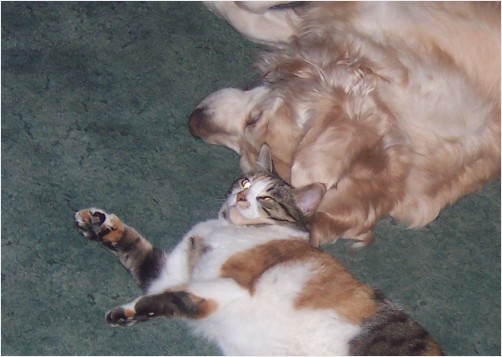
Introducing a Cat to Your Dog
| image source |
Labels: cats, dog and cat, dog care, dogs, dogs and cats, kitten, pet care, puppy
Brief Guide to Dog Surgery
Dog surgery pertains to any canine veterinary operation. It ranges from minor surgery, which usually only requires a few stitches, to major surgery, which involves medical solutions to multiple body organs.
One of the most common types of dog surgery is cataract surgery. Just like humans, dogs are also subject to complications in vision and blindness. A dog with cataracts gradually loses its eyesight. A palpable symptom of canine cataract is change in color of the dog's pupils. The eyes develop small spots that are either blue or gray in color. In terms of movement, a dog with cataracts tends to look lethargic. It walks uncomfortably and easily bumps into things.
The solution to cataracts is of course, a surgery. During a cataract surgery, the veterinarian removes the lens of the dog and replaces them with artificial substitutes. Cataracts in dogs are caused by consistent exposure of eyes to foreign objects. Just like in humans, the chances to have cataracts among dogs also depend on their genetics.
Read more: Brief Guide to Dog Surgery
Labels: dog care, dog surgery, dogs, pet care, veterinarian
What's the Best Dog Shampoo?
There are hundreds of dog shampoo products and dog product manufacturers. Because of this, many dog owners find it difficult to choose one that fits their dog's needs the best. It is important to take note that human shampoo, no matter how expensive, elegant, or mild, is not appropriate for a dog's hair.
Human hair and dog hair have very different genetic structure that should be treated with care. Presently, you may have your trusted dog shampoo brand, but please two minutes to read this short guide in order to make sure that the product you chose is the best shampoo for your dog.
How To Decide?
There are five factors that you must consider in choosing the best dog shampoo-the quality, the promised efficacy, the ingredients, the fragrance, and of course, the price.
QUALITY - When it comes to the shampoo's quality, test how the dog responds to the product, and see for yourself if bathing your dog with this shampoo is easy or not. It's very important that the shampoo you choose can be lathered and rinsed well.
EFFICACY - By promised efficacy, it means that the product should highlight the desired results that it presented in the package. A dandruff shampoo, a shiny coat shampoo, a moisturizing shampoo, a hair growing shampoo and many other types must fulfill the promise that they leave to the consumers.
INGREDIENTS - As much as possible, owners must choose shampoos that are hypoallergenic. This type of product contains mild ingredients that do not irritate the skin and produce serious allergic reactions. Choosing products with natural ingredients is also recommended, as biological conservation and eco-friendliness have also become pressing concerns today. Some of the most popular natural and organic ingredients used in dog shampoos today are aloe vera, peppermint, burdock, and shea butter.
It is important to take note though that many dog shampoos are not mild and natural, in as much as these dog products are aimed to cure certain skin conditions. There are shampoos for dogs suffering from itchiness caused by ant bites, fleas, ticks, and many other insects. There are also shampoos for dogs experiencing skin inflammation, wounds, and hair loss. Serious skin conditions, it must be emphasized, are a veterinarian's business. Over the counter dog shampoo medications sold at pet supply stores are only for mild cases.
FRAGRANCE - The dog must feel homey, and this can be heightened by choosing the best dog shampoo whose fragrance is sweet and reminds the dog of his or her home. In picking a scent, choose something similar to the smell of home-the smell of jasmine, or orange, or strawberry, or lavender, or anything that reminds the dog that it is indeed at its home sweet home.
PRICE - The price of the product should also be a concern, but it is advised to check the label first before worrying about the tag price. Since the bottle will be consumed in perhaps two to three months, it is better to put in the basket something that is mid-range or expensive in price but very worthy to be used than a less-expensive one that does not show satisfying results.
***************
Brandon Roe is the author of "The Official Dog Coat and Skin Care Guide", a comprehensive 52-page guide to healthy dog skin. To receive your complimentary copy FREE today, visit www.K9KlearUp.com
Labels: best dog shampoo, dog bath, dog shampoo, how to bathe dog, pet care
The Importance of Pet Vaccinations
Dogs need to have vaccinations to guard against disease. When your dog is a puppy they will need a distemper, hepatitis, leptospirosis, parvovirus, parainfluenza, and corona combination between six to eight, nine to eleven, twelve to fourteen, and sixteen to seventeen weeks. They will also need these shots again every twelve months. The next vaccination is a bordetella administered at fourteen weeks and every six months. Rabies must be given at sixteen weeks and again every twelve to thirty- six months.
Vaccinations protect your dog and other pets from human diseases as well as other problems that could arise. Make sure you visit your pet on a regular schedule. A few more vaccinations are the giardia at fourteen and seventeen weeks, with a yearly dose. Lyme is another type administered at fourteen and seventeen weeks as well as yearly.
Occasionally state regulations will require a different administering chart. It is best to speak with your vet to gain the proper knowledge for your breed of dog as well as the correct vaccinations. Dogs are “man’s best friend” and thus it is important to give proper care that includes treatments.
Other care besides vaccinations can be proper baths, toenail clipping, and feeding your dog properly. Most health problems arise in a dog that is either genetically susceptible or environmentally exposed to human food. Human food because of its greasy qualities can block a dog’s artery. So proper nutrition is often found in dog food or cooking meals for your pet per vet guidelines if your dog has health issues.
Dogs also require a lot of attention and exercise. Breeds such as the Huskies or golden retrievers require special care. Huskies are breed as working dogs. They need to have a lot of exercise as well as play time with their owners. Golden retrievers are social animals, will feel lonely, and rejected if left alone for too long. Other breeds though social may not react in the same manners of the latter two. Other breeds can be content with a large yard and runner as long as they can play and eat.
Part of owning a pet, especially a dog is to provide it with love and attention just like you need. Proper care is very important on a day-to-day basis like having a routine feeding time or visiting the vet for the proper vaccinations. Vaccinations can determine the longevity of your dog just like a proper diet and exercise. While your vet has spent a lot of time, going to school for the proper care of animals it is always a great idea to be knowledgeable about your pets care. Vaccinations when not administered properly can harm the animal. I would stay away from ordering medications and vaccinations online if you are not familiar with the products and how to give them to your dog, this may cause some medical problems. Any pet deserves the care we would give ourselves and with today’s world, we are finding better ways to make going to a vet easier.
Labels: dog illness, dogs, pet care, pet health, vaccination, vet
Dog Health Insurance for Your Pet
The word insurance is one of those words that just makes you cringe. Next to putting gas in your car it seems like the biggest expense you have and there is just so much that you need. You need to keep insurance on your car (it would have been really nice if somebody would have told how big a financial drain that was going to be), if you own a home you pay homeowners insurance, if you rent an apartment you have renters insurance, you struggle with the ever soaring cost of health care insurance, and if you are a really responsible family member you have life insurance. And now you find you are hearing that you should consider purchasing a health insurance plan for your pet dog.
You love your dog, he's more then a pet, he's a valued member of your family and probably your best friend. But health insurance? You can barely afford to put food on your table how are you supposed to be able to afford to insure your pet. Besides he's just a mutt, dog health care insurance is for fancy purebred show dogs, not your rescue pet.
The shoestring you’re probably living on is the very reason you might want to consider putting pet health insurance on your pet. The average dog owner takes their pet dog to the veterinarian approximately 2.3 times a year and it will cost you approximately two hundred and eleven dollars per year. My guess is that each time you pay the vet bill your budget is screaming for mercy.
What happens if your dog contracts a disease, or gets hurt? It doesn't take much to rack up some pretty serious vet bills. What if you have to leave town and can't take your dog with you? Can you really afford to leave your dog at a boarding kennel? You already know how much you have to pay for your prescriptions, do you really think that a dog prescription is going to be any cheaper.
Your dog is your best friend and a treasured member of your family could you really live with yourself if you had to put him to sleep just because you couldn't afford his vet bill.
It is possible to get health care insurance for your dog for approximately ten dollars a month. While it might not cover all of your dogs vet care needs it could help. If you shop around and read each plan carefully you should even be able to find a pet healthcare plan that will help pay for your routine vet visits. Some pet insurance plans will even cover some boarding expenses.
Some questions you should ask the pet health insurance company you are considering buying a pet health care policy from is whether or not your vet accepts that particular type of insurance, if there is a cap on treatments, how much is your deductible, and how will they handle any pre-existing conditions your dog might have.
Labels: dog, family, insurance, pet care, pet health, pet insurance, pets
7 Ways to Eliminate Dog Dandruff
Can your dog get dandruff? The answer is yes! If you've found some flaky white stuff in your dog's fur, we'll discuss the 7 best ways to eliminate this problem.
This article examines dog dandruff and will suggest the 7 best ways to eliminate it, including prevention tips. So let's get started!
SYMPTOMS
Dogs - like humans - are prone to dandruff, which is very similar in appearance as well. In most cases dandruff occurs when the skin cells die and start to flake off. Dandruff in dogs is nothing but a pile up of dead skin cells and when the dog scratches, more layers keep flaking off.
CAUSES
The most normal cause for dog dandruff is the natural process of skin cells dying and flaking off. However, if the dandruff keeps recurring frequently then you have to watch out because there is definitely a more serious underlying cause at work.
Some of these causes are:
- Allergies, parasites, infections
- Poor hygiene
- Low level of fluids in the body
- Low level of natural oils and fat in the skin
- Poor natural body nutrition
- Poor grooming and massaging of the skin
- Not bathed regularly
- The most common cause unfortunately, is improper grooming.
Dogs need to be brushed regularly to stimulate the oils in the skin.
- Poor diet can also lead to dandruff - if the dog has only dry food
- Skin irritants like harsh shampoos can lead to dandruff
SOLUTION
Here are 7 ways you can help eliminate your dog's dandruff:
1. As soon as you see signs of flaking skin cells or dandruff, give your dog a bath. Use slightly warm water and a mild shampoo. This should do the trick if it's a case of regular dead skin cells.
2. If the dandruff persists, try using a medicated pet shampoo with oatmeal sold specifically for this purpose.
3. Olive oil is very good for the dog's skin and can be massaged into the skin at regular intervals.
4. There are also specific natural dog skin balms that help clear up skin problems and you should have a look at these as well (just use Google or your favorite search engine).
5. You also want to make sure your dog gets a balanced diet, not just a dry food diet.
6. Groom your dog regularly and make sure his living conditions are of a high hygienic standard.
7. Regular baths at reasonable intervals usually takes care of the problem.
Tip: Sometimes your dog is just plain lonely and keeps on scratching itself. Spend more time exercising and playing with your dog.
PREVENTION
Regular grooming is really all that is required to keep your dog's coat healthy and shining.
While it is good to bathe the dog regularly, it is not advisable to over-bathe...
Olive oil massages and a little olive oil in the food helps a lot in maintaining a healthier skin.
Make sure your dog gets a high quality meal that contains a good balance of proteins, fatty acids, vitamins and minerals.
Make sure that your dog always has plenty of fresh, clean drinking water - this will help to hydrate the skin. This is essential if you live in a hot, arid climatic zone.
Give your dog plenty of exercise.
It is recommended that you not take dandruff lightly. I suggest you monitor how quickly it reappears and, if the condition seems to be worsening in terms of fur loss, excess shedding, excess scratching and rash, consult a Vet immediately. Dandruff in dogs can sometimes lead to very severe illnesses like kidney failure so don't take it lightly.
---------------------------
Brandon Roe is the developer of K9 KlearUp www.K9KlearUp.com. the world’s only all-natural dog balm that helps clear up the 17 most common canine skin and coat problems... Guaranteed or your money back.
Signup today for Brandon’s weekly K9Kourier newsletter and get all the best from the canine world sent right to your inbox - www.K9KlearUp.com signup today and receive a special free gift.