Showing posts with label puppy. Show all posts

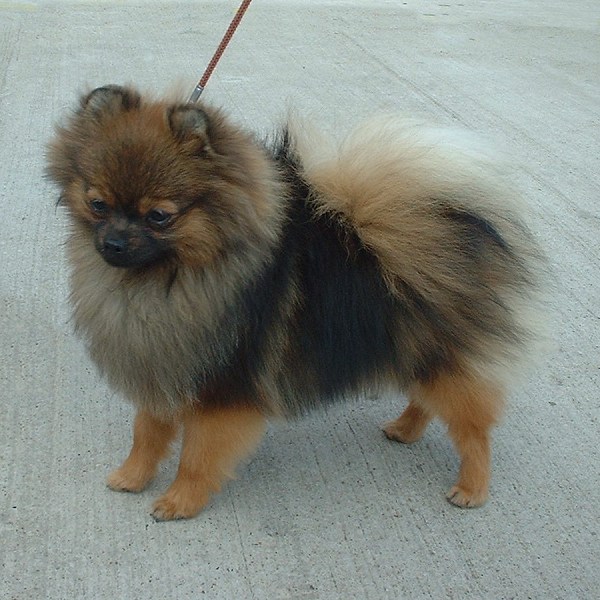
Toy Dogs: Pomeranian

image via Wikipedia


This is a member of the Spitz family. This perky dog's name traces to Pomerania, where, around a century ago, it was bred down in size. Its ancestors were the northern sled dogs of Iceland and Lapland. When first presented to England during the mid-nineteenth century, some breeds weighed as much as 30 pounds. Despite its tiny size today, it has retained its make and shape. The Pom's body is short and dense having a level topline. A foxy head, small upright ears, dark almond-shaped eyes, thick coat, and crested tail laid flat over the back complete the picture.

WEIGHT: 3-7 pounds
HEIGHT: 6-7 inches
COLOR: any solid color, with or without lighter or darker shadings of the same color, or with sable or black shadings; particolor; sable; black and tan.


By: Tip Writer

Dog Feeding Myths and Facts

Although they've been proven false, there are various popular superstitions regarding feeding dogs that carry on to be handed down in families or given out by self-appointed authorities.

When you are raising your puppy, somebody might say to you not to give him milk since "milk makes worms." This couldn't possibly be true unless the milk bore worm eggs, which isn't likely. Puppies that are fed solely with milk after weaning could become debilitated from the compounding of short diet and worms they already have, but milk by itself doesn't produce worms. Unreasonable amounts of lactose, the sugar contained in milk, all the same, might produce diarrhea. Numerous dogs, particularly puppies, are not able to metabolize lactose properly.
 Nature's Variety Dry Dog Food, Prairie Canine Chicken Meal & Brown Rice, 30-Pound Bag
A different old wives' tale is that raw meat would make a dog savage. The basis for this notion is hard to imagine. It's true that a dog fed nothing but raw meat will be getting an insufficient diet and, intrinsically, may not be in the best of spirits. But the raw meat wouldn't make him brutal or blood-thirsty. Meat that can be consumed rare by humans can be ingested raw by dogs.
 Pedigree Meaty Ground Dinner Variety Pack (Turkey, Chicken, Chicken & Beef) Food for Dogs, 5.3-Ounce Pouches (Pack of 48)
Raw meat is oftentimes blamed as a cause of worms. A dog could get tapeworm from eating a rabbit he has caught, or perhaps from uncooked pork, but there's no other connection.

Another common notion is that feeding garlic or raw onions would "cure" worms in a dog. Worms are eradicated only by medicines that are made of stronger stuff than any amount of garlic or raw onions. Since worm medicines are potentially dangerous, you must turn a deaf ear to those who tell you your pup "just needs worming" every time he seems to be ailing. Your puppy may require worming, but on the other hand, he could be suffering from any of a dozen grave illnesses. Don't undermine him further by dosing with worm medicine. See your vet.
When anybody advises you to feed your dog raw eggs to make his coat shiny, assure them that the uncooked white of an egg ruins the absorption in his intestines of an important vitamin, biotin. The yolks of eggs can be given raw, but whole eggs must be cooked.

A lot of people worry when their dogs "wolf" down food. A dog's digestion does not start in his mouth as it does in humans. Eating fast and swallowing food whole is natural, and in all likelihood a regression to the time when dogs ran in packs and had to contend with others to get their share.
Natural Balance Dog Food, Lamb Formula, 4 Pound Roll 
A block of sulfur set in a dog's water bowl is credited with everything from keeping off worms to curing skin diseases. Alas, sulfur has no medicinal or nutritional value, and is just an ornament in the water dish.

A popular belief is that dogs must not be given the smallest speck of leftover potatoes because "starch can't be digested by dogs." This fact was confuted years ago by scientific tests. Dogs can digest cooked starch much as people can. Carbohydrates, so all-important in the dog's properly balanced diet, come partially from starches. This doesn't mean, however, that a diet of potatoes, macaroni, or bread is commended.
 Wellness Super5Mix Adult Small Breed Dog Food, 4-Pound Bag

Can My Puppy Play Outdoors?


 Can you take a 3-6-month-old puppy outdoors? Naturally! But apply common sense. When it rains or snows, the puppy belongs inside the home. When it is exceedingly cold or very hot, hold him indoors. Draft, wind, and too much direct sun can prove disadvantageous. It is best to avoid them. This is most crucial with small and medium-size breeds. The bigger breeds at this age will be better used to being outdoors.

Keep in mind that most puppy coats are not dense and weather-resistant enough to keep him warm or to cover his body from the sun's rays. He is more sensitive to cold as well because he has more body surface for his weight than a grown dog.
 The Art of Raising a Puppy (Revised Edition)
In fairly warm weather, a certain quantity of exercise on natural grass is good; but it's not safe for any length of time. Particularly when left to himself, the puppy will dig up dirt and stones and could swallow them. He'll enjoy sprawling out on the grass, but if he lies there very long he might get chilled from dampness even though the ground appears warm. If the owner plays with the pup for ten or fifteen minutes, two or three times every day in good weather, that's fine, and that will be adequate. Keep the pup moving and he would benefit from the outing. The safest type of outing for a young pup is in a playpen.
My Smart Puppy: Fun, Effective, and Easy Puppy Training (Book & 60min DVD) 

Tips on Getting a Puppy Playpen


 New Red 45" Pet Puppy Dog Playpen Exercise Pen Kennel 600D Oxford Cloth
To get enough exercise, your puppy must have more space to play. He may be quite mischievous, too, or not completely housebroken, so he can't be given the freedom of the house. Put a tension-bar gate (designed for small children and dogs) in the entrance of the room you want him to stay in. At this age of 3-5 months, weather permitting, dogs of big or heavier-coated breeds can spend some of their time in an outdoor enclosure. They can be fenced in a puppy exercise pen or baby playpen. You can purchase a puppy exercise pen from most pet-supply dealers, or you can build one.
Iris CI-604 Indoor/Outdoor Plastic Pet Pen, 4 Panels 
 Four wired frames can be screwed jointly and bolted to a wooden platform using casters or wheels. If the height of the pen is one inch or two less than the width of the house doors, it can be transported from one room to another, or outdoors. While covering the frames, nail the wire on the outside. It's safer for the puppy because he won't scratch himself.
 Midwest Black E-Coat Exercise Pen, 24 Inches by 30 Inches
Since you may wish to enclose the puppy in the pen for a couple of hours, it is wise to add up a bed in which he could curl up for a nap. For most puppies, a wooden box would do nicely. Cut an opening in the side to serve as an entry. Hinge the top for a cover that can be put up for cleaning or left open if the weather is really warm. Put a blanket or other bedding inside and you have made a snug little harbor free from draft and chill. Sometimes a pup will refuse bedding of any kind and claw it out of his basket, box, or kennel. Don't concern yourself about it. If he favors a bare bed, there is nothing you could do about it.
 Marshall FC-261 Small-Animal Play Pen Mat/Cover, Colors may Vary
Put the pen in the sun when it's cool, and in the shade when it's hot. Face one long side and one short side using canvas as a windshield. The outdoor yard for bigger breeds must have some shade as well as sun, and a place secure from drafts or wind, like a doghouse. If you leave the house, even for a short time, take your dog inside. Don't leave him alone in an outdoor enclosure when nobody is at home, even if your yard is fenced.
40" Heavy Duty Pet Playpen Dog Exercise Pen Cat Fence B 

Dealing With Hyperactive Puppies


Expect every healthy puppy to be mischievous. You could as well make up your mind to it and not worry. Worry more if your puppy is so good he never shreds anything; brace yourself, for he is below par!
 My Smart Puppy: Fun, Effective, and Easy Puppy Training (Book & 60min DVD)
When we say that puppy mischievousness isn't a fault but a virtue, we can hear protests popping up on all sides. But a dog's teeth are considered his fingers, and he must use them if he has the normal energy and curiosity of a healthy young animal. Books and magazines within reach would be gnawed; that hanging corner of the tablecloth will be jerked unmercifully. The world is his, and everything he can grab is a toy to play with.
 Nylabone Puppy Teething Pacifier Chew Toy, Extra-Small
There is just one way to avoid a lot of trouble.  Keep things out of his reach. You can't teach him yet to leave certain objects alone. So make sure to furnish safe and interesting toys to push and pull and tear and wreak his small vengeance on; and then take away all else from his inquiring teeth.
 N-Bone Puppy Teething Ring, 1-Pack
A special warning regarding base plugs: electric outlets having their wires attached are fair game for any puppy. He will try to chew them, and perhaps cause a fire or shock himself. If your puppy does get a shock from chewing through an electric cord and turns unconscious, don't touch him when he is in contact with electrical current. Unplug first the cord from the wall. If you are unable to, wrap a towel around your hand, a broom handle, or use a pencil, or some other nonconductor of electricity to force the wire out of the pup's mouth. Wrap him using a blanket to keep him warm. If the dog isn't breathing, start artificial respiration then get to your vet as soon as possible. Another word of advice: don't drop paper clips, rubber bands, and other small items on the floor, because they could get into a curious puppy's mouth and be swallowed up.

The Black Dog Syndrome and Pet Adoption Issues


 Occasionally, just the way a shelter is set up can make a possible adopter discriminate against breed, color or size without even knowing it. Poor lighting and walls painted using darker tones are two elements that can lead to lower black dog adoption rates.

"Some shelters have tried to tackle the problem by having black dogs put on colorful bandanas," adds Sherri. "They may also promote black dogs by running 'black dog specials' at a brought down fee or even for free. All these are excellent ideas. Anything a shelter does to draw attention to black dogs would help improve their chances for adoption."

Why are these black dogs shunned?  READ MORE>>>

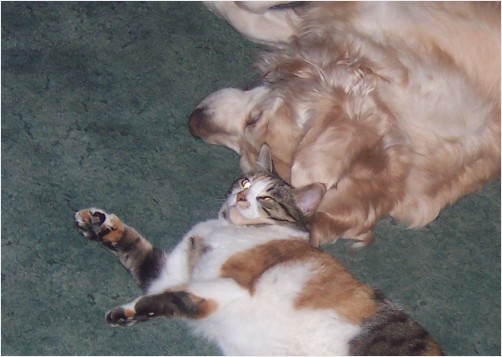
Introducing a Cat to Your Dog

image source
Dogs and cats don't have to be enemies, though they are frequently made so by careless owners who shout "Sic 'im" to the dog each time he sees a cat. Do not ever be guilty of doing this!

When acquainted carefully, and particularly when puppy and kitten grow up together, they turn into firm friends. True, most dogs chase after cats at the slightest chance. The cat takes flight, the dog legs it after him. That is exactly why he does it, because movement charges up the age-old impulse to pursue. The cat in the home, nevertheless, will affect a dog otherwise; it is an animal to be sniffed, investigated, and finally recognized with affection.

When bringing a cat into a home where there's a dog, it's a good thought to keep them in separate rooms for a couple of days. In that way the dog can smell that a cat has joined the home, and the cat senses the presence of a dog. Then when they are joined they are more set up for the introduction.

A kitten and a puppy of reasonably equal age seemingly do not distinguish each other as cat and dog but simply as playmates. When a kitten is gotten into a grown dog's family circle, or a pup is added to an adult cat's home, the resident pet and the newcomer automatically become competitors for attention and affection. When you get a cat if your dog is already grown, select a kitten, cuddle him firmly in your arms, and let the dog notice and smell him. Pay lush attention to the dog, as jealousy can be trouble. If the new arrival acquires all the attention, the dog will feel threatened and might refuse to eat or be destructive. Split up the two after the first meeting. For the next week, permit the pair to get closer with every encounter, till they turn into friends.

© Athena Goodlight
Protected by Copyscape Web Copyright Protection

How to Choose the Right Pet Dog for Your Lifestyle

Before beginning to choose a pet dog of your own, you must at least have a good idea of what type you are looking for. If you are mainly interested in getting an average dog, you may search one and adopt a dog from your local animal shelter. This will not only help relieve the over population of animals in your locality, but also possibly rescue a loving needy dog. Who knows, you just might meet your next best friend here.

Read more: How to Choose the Right Pet Dog for Your Lifestyle

Housebreaking Your New Puppy


The more time you spend with your new pup or dog, the faster she will learn not to urinate or defecate in the house. A puppy is just a baby and must learn what you expect of her. An older dog may have to learn new habits, depending upon how she was housed and trained before.

How to Raise a Puppy You Can Live With
What Doesn’t Work
You have probably heard someone say, "If the puppy makes a mistake, rub his nose in it," or "Drag him to the site of disaster, point at the puddle or pile, and scold him." Don’t use either of those methods. They don’t work. All you’ll do is frighten the pup and make a mess for yourself to clean up. A dog is so upset when he is being scolded that he can’t even begin to understand exactly what you are angry about.

What Does Work: 6 Easy Steps
1. Watch out for the signs. Be with your puppy as much as possible so that you can learn his different noise and behaviors. You will soon detect that the puppy behaves in a certain way immediately before he begins to relieve himself like when you see your pup start to circle and sniff the floor, he’s almost certainly looking for a place to potty. Watch for this cue and use it to your advantage. You will only have a few seconds to get the puppy out to the place you want him to use. Don’t scold him if you are not fast enough.
2. Pick out your potty area. Pick a spot that you want your puppy to use as his potty area. Place a piece or two of his stool in that spot. This will be a cue to the pup. Take him to that spot immediately after eating. Praise him gently the instant he starts to relieve himself. The praise must be quiet and calm so that you won’t excite him to a point that he forgets what he started to do. When finished, shower him with praises and let him play in another area.
3. Be patient. Don’t play with your pup until he relieves himself. If he does not relieve himself within 10 minutes, put him in his crate and try the whole thing again in about 20 minutes.
4. Keep the potty area clean. Clean up the area everyday, leaving a small piece behind as a reminder for a few days. Once you are sure that the pup understands what the potty area is for, clean up the area completely each day
5. Maintain control. If your puppy is very small, you may have to carry him to the potty spot. Or take him out wearing a collar and leash. Never let the puppy follow you without any type of restraint. Keep a leash and collar by the door.
6. Introduce the puppy to the house in small steps. Confine the pup to a single room at first, preferably one with a tiled floor. Put a baby gate across the entrance when possible. You must be able to observe the puppy when he is out of the crate, so don’t lock him in the bathroom. The best time to allow the puppy freedom in his room is after he has relieved himself outdoors. When you are confident with his behavior, gradually allow him freedom to the rest of the house. Too much too soon may allow him to spot a nook or cranny as a perfect spot to relieve himself. Just take it slow and you will have a reliable puppy.

PuppyPerfect: The user-friendly guide to puppy parenting (Howell Dog Book of Distinction)Housebreaking & Training Your Puppy (Storey Country Wisdom Bulletin, a-242)Puppy Care & Training

© 10/19/2010 Athena Goodlight

Dangerous Dog Treats: What To Know Before You Treat Your Pup

Black and white terrrier dog eating pastry from plate on table

What pooch does not love getting a treat or two now and then. Dog owners also love giving their dog’s treats. If you have a dog, then you have a good idea of what your dog likes to nibble on. There are so many treats available these days and they all come in all different shapes, sizes, colors, and consistencies. For every great dog treat, there are those on the market that are not so good. These treats can harm your pet by being lodged in your dog’s throat or intestines. This can cause choking or worse. If you love treating your canine friend, then you will want to be aware of those treats that can be potentially harmful. Even with treats that are not usually dangerous, you need to supervise your dog when they eat.

Greenies: Most dogs really enjoy these treats. They are advertised as a treats that help clean your dog’s teeth. However, you need to be aware that “greenies” can cause choking. This is because dogs eat these very quickly causes large chunks to lodge in the throat. Young puppies should not eat this treat and dogs that are prone to “scarfing” food. If your dog eats these treats, be aware of potential vomiting, bloody stools, and difficulty breathing. If you notice any of these symptoms after your dog has eaten this treat, seek medical attention.

Rawhide Chews: What dog does not love snacking on these chewy treats? Rawhides are good because it cleans your dog’s teeth and keeps your dog occupied. However, rawhides are dangerous, as well. Some rawhides that originate outside of the United States may actually be preserved with arsenic-based chemicals that will be ingested by your doggie when he or she chews. For this reason, make certain that any rawhide treat you purchase is processed in the United States where this preservative is forbidden. If you cannot tell where a treat originated do not buy it! In addition, you still need to watch your dog when he her she is munching on rawhides to help prevent choking. Make sure you buy rawhides that are the right size for your dog, too. A small dog needs the smaller sized rawhide treats.

Chocolate: Chocolate is a terrible thing to allow dogs to eat. Of course, sometimes dogs get into candy and cake without your knowledge. Chocolate is toxic to both dogs and cats, so you need to be aware of your dog sneaking chocolate nibbles, especially around the holidays. Chocolate contains an ingredient called theobromine. This acts in the canine about the same way caffeine acts in the human. A little will make the doggie hyperactive, but a huge dose may be fatal. If your dog has gotten into chocolate, you need to look for vomiting, shallow breathing, and irregular heartbeat. A visit to the emergency vet unusually results.

Bones: It seems that it is the right of every dog to be able to crunch on a real bone from time to time. Dogs love bones of all types. However, some bones can be dangerous. Both chicken and turkey bones are especially dangerous because they are brittle. When your dog chews on the, they can easily splinter and cause choking. Some pork and beef bones can also cause the same problem. Veterinarians agree that the one of the safest bones you can give your dog is a shinbone. If you must give your dog a bone, make sure you supervise your pooch and if he or she shows signs of bleeding, then you should call your vet immediately for some advice.

This is not to say that you cannot give your dog an occasional treat. That is one of the fun parts of owning a dog. You do need to watch your dog and make sure that your dog is safe when snacking. Always pay attention to what kind of treat you give your dog in case of a recall.

How To Care For a Teething Puppy


It seems that no amount of rawhide bones, nyla bones, or chewy toys you provide will keep a teething puppy from finding something to chew on that they shouldn't chew on. I thought I had learned from experience to provide an abundance of chewy items. I thought I had provided my pup with so many items that it made my nocturnal meanderings a life taking risk. Yet, my pup found, chewed and punctured my tracking boots. Thus providing me with another topic to write about.

Puppies should have a full set of 28 baby teeth by the time they are 8 weeks old: fourteen teeth on each of the upper and lower jaws. During the next five months the baby teeth will be replaced by the adult teeth. There are 42 adult teeth, 21 on each jaw.

If you have a dog that you may be considering showing in conformation, you need to monitor the growth of the teeth ensuring that they do fall out and grow in on time. Like human children, if the baby teeth are not replaced on time it may cause deformities in the adult teeth. A veterinarian may need to extract a tooth so that the other teeth will grow in straight. Sometimes the owner of a dog may help by working on loosening a tooth, much the same way as a child works on loosening a tooth so that the Tooth Fairy comes.

Chewing on items is a form of massaging the gums for puppies. Not only does it reduce discomfort but it also helps loosen a tooth and also helps break the skin on the gums so that a new tooth can come through. Providing ample items to chew on will help. However, be careful what you provide. Do not give old shoes and socks, as puppies cannot differentiate between old and new items. Keep all chewable items off the floor and out of reach of the pup. Nothing is safe from a chewing pup including furniture and walls. When you cannot be observing your pup, it is wise to crate it. Provide plenty of chewy items so that it doesn't become bored and chew on itself or the crate.

If you have any concerns regarding the growth and development of your puppies teeth, contact your veterinarian who can provide you with advice and timelines for when to expect each of the teeth.

Try K9 KlearUp RISK FREE Today and Receive Over $59 Worth of Bonuses!


------------------------------------------------- // ------------------------------------------------

Reprinted with permission by Terrie Simpson,www.K9KlearUp.com. Terrie has been involved in the dog world for over 28 years and has achieved numerous awards with her Springer Spaniels in tracking and obedience. Over that time, she has amassed a good amount of knowledge about how to keep a dog healthy. She is now happy to give back by sharing her experience with other dog owners.

Get the best of the canine world right to your inbox - Signup today for the K9Kourier weekly newsletter at www.K9KlearUp.com and receive a FREE 41 minute MP3 download on "Natural Ways To Care For Your Canine".

Yellow Puppies Blogger Template | Template Design | Elque 2008