Dog Food Allergies - How to Treat the Problem

Dog with food bowl
Dog food allergies are rather difficult to distinguish from other allergies like atopy, etc., because the symptoms of food allergies tend to be similar to the symptoms of the other allergies. Despite there not being one outstanding symptom that would point us in the direction of food allergy, which makes diagnosis very difficult, there are some symptoms that have been identified as being related to a dog's food allergy.
------------------------------


Dog food allergies are rather difficult to distinguish from other allergies like atopy, etc., because the symptoms of food allergies tend to be similar to the symptoms of the other allergies.

SYMPTOMS

Despite there not being one outstanding symptom that would point us in the direction of food allergy, which makes diagnosis very difficult, there are some symptoms that have been identified as being related to a dog's food allergy.

Symptoms tend to vary from case to case but I have listed some that have been identified as symptoms displayed by a dog with a food allergy:

o Dry, flaky skin
o Hair loss
o Itchy skin, feet and paws
o Persistent skin infections/ hot spots
o Persistent ear infections especially yeast infections
o Constant vomiting
o Frequent bowel movements
o Skin rashes and hives

Other symptoms like flatulence, sneezing, changes in behavior patterns and asthma can also indicate food allergies.


CAUSES

Research has shown that some dog food ingredients could be the cause of a dog's food allergies, such as corn, dairy products, beef, eggs, wheat, chicken and soy; all common dog food ingredients by themselves.

Dog allergies are most often caused by the consumption of the same food for several years. These allergies tend to manifest themselves quite suddenly, irrespective of the fact that the dog has been eating the same thing for years. Detecting the actual cause of the dog's food allergy can be both a frustrating and time consuming exercise, but here's what you can do...


SOLUTION

Exclusion diet: this is probably the most effective way to find out the cause of a food allergy.

One source of protein is used for up to 12 weeks to see if the dog's condition improves. After that, new ingredients are added (every seven days) one at a time until the problem returns so you can identify the ingredient that was causing the food allergy. This is a very slow and painstaking method but it is effective.

Make sure that you use a protein source that your dog has not been previously been given, such as tofu, venison, fish, lamb or rabbit, making sure that the digestibility percentage is at least 85%. Try to avoid additives as much as possible. Combine the protein source with a carbohydrate; one example would be lamb and rice.

A vet can give medication to help cope with the allergy and can administer a blood test to try and figure out the ingredient causing the allergy. However, such tests are not very accurate as a diagnostic tool and an exclusion diet is usually the best way to go about it.

To help relieve exterior symptoms, I suggest you consider using an all-natural product.

Tip: using distilled water or boiled tap water that has been refrigerated will help to avoid the chlorine content in the water, which is a possible factor.


PREVENTION

There is no quick fix for dog food allergies. It is up to you to find out the ingredient that is causing the allergy and eliminate it from your dog's food. Once you have identified the food ingredient(s) to which your dog is allergic and removed them from your dog's diet, the allergy should clear up quickly enough. Don't forget to keep a diary to record the elimination process - this is crucial to helping your dog get rid of its food allergy.

--------------

Brandon Roe is the developer of www.K9KlearUp.com, the world’s only all-natural dog balm that helps clear up the 17 most common canine skin and coat problems... Guaranteed or your money back.

Signup today for Brandon’s weekly K9Kourier newsletter and get all the best from the canine world sent right to your inbox - Want Great Weekly K9 News?
The K9 Kourier Weekly Ezine
Your Source of Free Quality K9 Info . Signup today and receive a special free gift.


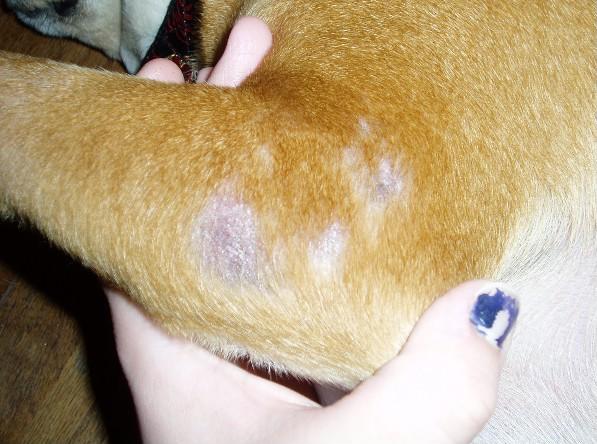
7 Ways to Eliminate Dog Dandruff

Can your dog get dandruff? The answer is yes! If you've found some flaky white stuff in your dog's fur, we'll discuss the 7 best ways to eliminate this problem.

This article examines dog dandruff and will suggest the 7 best ways to eliminate it, including prevention tips. So let's get started!

SYMPTOMS

Dogs - like humans - are prone to dandruff, which is very similar in appearance as well. In most cases dandruff occurs when the skin cells die and start to flake off. Dandruff in dogs is nothing but a pile up of dead skin cells and when the dog scratches, more layers keep flaking off.

CAUSES

The most normal cause for dog dandruff is the natural process of skin cells dying and flaking off. However, if the dandruff keeps recurring frequently then you have to watch out because there is definitely a more serious underlying cause at work.

Some of these causes are:

- Allergies, parasites, infections
- Poor hygiene
- Low level of fluids in the body
- Low level of natural oils and fat in the skin
- Poor natural body nutrition
- Poor grooming and massaging of the skin
- Not bathed regularly
- The most common cause unfortunately, is improper grooming.

Dogs need to be brushed regularly to stimulate the oils in the skin.

- Poor diet can also lead to dandruff - if the dog has only dry food
- Skin irritants like harsh shampoos can lead to dandruff
SOLUTION

Here are 7 ways you can help eliminate your dog's dandruff:

1. As soon as you see signs of flaking skin cells or dandruff, give your dog a bath. Use slightly warm water and a mild shampoo. This should do the trick if it's a case of regular dead skin cells.

2. If the dandruff persists, try using a medicated pet shampoo with oatmeal sold specifically for this purpose.

3. Olive oil is very good for the dog's skin and can be massaged into the skin at regular intervals.

4. There are also specific natural dog skin balms that help clear up skin problems and you should have a look at these as well (just use Google or your favorite search engine).

5. You also want to make sure your dog gets a balanced diet, not just a dry food diet.

6. Groom your dog regularly and make sure his living conditions are of a high hygienic standard.

7. Regular baths at reasonable intervals usually takes care of the problem.

Tip: Sometimes your dog is just plain lonely and keeps on scratching itself. Spend more time exercising and playing with your dog.

PREVENTION

Regular grooming is really all that is required to keep your dog's coat healthy and shining.

While it is good to bathe the dog regularly, it is not advisable to over-bathe...

Olive oil massages and a little olive oil in the food helps a lot in maintaining a healthier skin.

Make sure your dog gets a high quality meal that contains a good balance of proteins, fatty acids, vitamins and minerals.

Make sure that your dog always has plenty of fresh, clean drinking water - this will help to hydrate the skin. This is essential if you live in a hot, arid climatic zone.

Give your dog plenty of exercise.

It is recommended that you not take dandruff lightly. I suggest you monitor how quickly it reappears and, if the condition seems to be worsening in terms of fur loss, excess shedding, excess scratching and rash, consult a Vet immediately. Dandruff in dogs can sometimes lead to very severe illnesses like kidney failure so don't take it lightly.
---------------------------

Brandon Roe is the developer of K9 KlearUp www.K9KlearUp.com. the world’s only all-natural dog balm that helps clear up the 17 most common canine skin and coat problems... Guaranteed or your money back.

Signup today for Brandon’s weekly K9Kourier newsletter and get all the best from the canine world sent right to your inbox - www.K9KlearUp.com signup today and receive a special free gift.

How to Get Rid of Canine Acne


As humans we experience skin problems like acne at least once in our lives, but what most don't realize is that we aren't the only ones who need attention when it comes to annoying acne. Believe it or not, our dogs also have the tendency to develop what is commonly known as canine acne, a skin problem caused by the blockage of hair follicles due to substances like keratin and sebum that are plugging debris within the pores.

This kind of skin disorder is common among certain breeds, particularly for 5 to 8 month-old English bulldogs, Boxers, Great Danes, Rottweilers and Doberman Pinschers.

So how can you tell if your dog has acne? Dogs that have this kind of skin problem develop multiply blackheads or comedones in areas like the muzzle, lips, and chin. If left untreated, canine acne can develop swellings, scabs, and more blackheads, which normally do not affect the dog unless these develop into a secondary skin infection that could cause irritation, itching, and of course pain. If you think your dog's lips or chin have blackheads and swellings that might develop into a chronic type of skin disease, the best solution is to take him or her to the local vet for treatment.

Unfortunately, most canine acne cases cannot be cured entirely but it can be controlled with proper treatment and medication.
The vet would normally base his or her findings on the dog's blackheads, but for further assurance he or she might perform a skin biopsy on the dog. This is also to ensure that the canine acne isn't caused by more severe problems such as mite infestations (demodecosis), ringworms, puppy strangles, and other allergies that could be causing the blackheads and swelling to develop.

Here are some options for canine acne treatment:

- The vet will usually recommend regular cleaning of the infected areas with anti-acne products such as benzoyl peroxide or mild anti-seborrhea shampoos in order to lessen and rid the dog of the bacteria that causes the plugging of debris within the skin and to remove such debris effectively.

- Antibiotics may be needed and prescribed if the canine acne becomes worse due to secondary skin infections that could cause incessant itching, scratching, and pain on the dog. The antibiotics are usually needed for 3 to 4 weeks, but there is a possibility that a swab test would be required for further observation. Make sure that the medications used are prescribed from a well-rounded veterinarian so as to prevent further pain and damage from happening to your pet.

- Of course, if things have gotten worse and you see your dog scratching endlessly on the infected parts (especially the face), it would be best to use an anti-inflammatory drug, which usually comes in the form of either a steroid cream or injection that will be able to lessen the discomfort your dog feels. Again, consult the veterinarian first before buying these drugs to ensure the safety of your dog's health.

I also recommend you check out products that naturally help to clear up canine acne by working with your dog's immune system. Some of these products will also help to relieve scratching and itching that may develop as a result of the acne.
----------------
Reprinted with permission by Terrie Simpson, www.K9KlearUp.com. Terrie has been involved in the dog world for over 28 years and has achieved numerous awards with her Springer Spaniels in tracking and obedience. Over that time, she has amassed a good amount of knowledge about how to keep a dog healthy. She is now happy to give back by sharing her experience with other dog owners. Get the best of the canine world right to your inbox - Signup today for the K9Kourier weekly newsletter atwww.K9KlearUp.comand receive a FREE 41 minute MP3 download on "Natural Ways To Care For Your Canine".

What Causes Dog Dermatitis & How to Help Your Hurting Hound


There are a lot of diseases that dogs are prone to and one of them is the infamous itching problem known as dog dermatitis. Dermatitis is basically the general term used to describe transient or chronic itching in dogs that causes not only their coats to become flaky, scaly, and painful but can also affect the overall health of the dog entirely. Since dermatitis is a general term, there are different types of the disease which could either be transient (short-term and can be treated) or chronic (long term and can be fatal to the dog) in nature. If you've noticed your own dog scratching and biting off bits of his or her fur incessantly, it could be a case of canine dermatitis, which means you should take him or her to your local veterinarian for medications and treatments to cure the skin disease.

Causes

To better understand the nature of dog dermatitis, it is important that you know what factors can cause this skin disease in many dogs. In truth, the causes can vary from mere sunburns and flea bites to actual skin cancers and diseases for dogs. In most cases, the most common causes of dog dermatitis include allergies, irritating substances, seborrhea, reactions to drugs or toxins, fungi, bacterial, and parasitical infections, bad reactions to certain kinds of food, and the like. Another factor could be the dog's breed as some are more prone to such skin infections.

Types

As mentioned previously, there are different kinds or types of dog dermatitis, each with their own set of characteristics and symptoms that make them identifiable. Here are some of the most common:

- Canine atopy: this is a very common cause of chronic itching in most dogs and is caused by an allergic reaction to substances in the environment, especially in grassy areas. This also affects mostly dogs between one and five years and that have a weak immune system to resist such substances. Atopy can be identified if the dog itches and scratches a lot, especially in the face and feet that causes skin to become red, moist, and irritated.

- Pyotraumatic dermatitis: usually known or referred to as a "hot spot", this kind of dog dermatitis is usually identified with a red, moist, hairless, and painful sore on the dog's body that appears suddenly. This kind of skin infection is usually common among dog breeds like Golden retrievers, German shepherds, and Bernese mountain dogs that have thick coats and long hair. Pyotraumatic dermatitis develops when the dog licks and scratches his or her skin raw because of something that causes such irritation.

- Contact dermatitis: this is a dog skin disorder that usually develops due to direct contact with certain materials such as fertilizers, flea collars, carpet cleaners, or other corrosive substances used in cleaning the home. It also occurs to dogs that are overly sensitive to a particular substance that is normally not an irritant. It can cause itchy red skin in the parts of the dog's body that has been exposed to the irritant.

Solution

As previously mentioned, as soon as you suspect your dog has dermatitis, you should bring your dog to the vet and seek immediate treatment. I also recommend you consider purchasing specialized balms that help relieve dog dermatitis. There are a variety out there but one of the most effective ones I've ever seen contains the Mayan traditional herb Tepezcohuite.

----------------
Reprinted with permission by Terrie Simpson, www.K9KlearUp.com. Terrie has been involved in the dog world for over 28 years and has achieved numerous awards with her Springer Spaniels in tracking and obedience. Over that time, she has amassed a good amount of knowledge about how to keep a dog healthy. She is now happy to give back by sharing her experience with other dog owners. Get the best of the canine world right to your inbox - Signup today for the K9Kourier weekly newsletter atwww.K9KlearUp.comand receive a FREE 41 minute MP3 download on "Natural Ways To Care For Your Canine".

What You Can Do to Help Your Pooch Stop the Itch!


There is nothing better to a dog owner than to see his pet healthy, active and happy. A common reason for the transformation of your dog from happy to sad is due to dog scratching. Dogs just can't stand being uncomfortable. They scratch every part they can possibly reach once that itchy feeling comes their way.

-----------------------------------------------------------------------------------------------------

Dog scratching is something a dog owner must address. It brings about much stress and trauma to your dog, especially when dog cuts come about. The itchy sensation makes the dog scratch and scratch, not being aware that he is making the problem worse. Of course, all he's thinking is, "Get rid of this irritating itch!".

CAUSES

A dog may appear active and playful, and yet be feeling very sore. There are various reasons for the dog scratching problem. It is likely because they have a specific skin issue, such as dermatitis.

Dermatitis can be environmental, nutritional, parasitic, infectious or bacterial. Now, what the dog owner must do first is to contact a veterinarian. As soon as it's noticed, the "dog scratching" problem must be given your full attention, as it may cause serious long-term skin problems if not dealt with early. A dog owner must work hand in hand with his vet, taking the full responsibility of relaying all the necessary information about his dog. With the cooperation of the owner, the vet would be able to identify the possible causes.

SOLUTION

As soon as the cause of the dog scratching is identified, the dog must be treated immediately. Of course, depending on the specific cause, the owner must make some changes in order for the skin problem to totally heal. For instance, dog scratching problems can happen to dogs that are allergic to lawn grass (strange but true).

You may also want to consider products that specialize in treating dog scratching. There are a variety out there but one of the most effective ones I've ever seen contains the Mayan traditional herb Tepezcohuite. You can search Google to find an appropriate product for your dog's scratching problem.
So there you have it, some simple solutions to help get rid of annoying scratching in dogs. Your dog will be wagging his tail again in no time!
---------------------------------------------
Reprinted with permission by Terrie Simpson, www.K9KlearUp.com. Terrie has been involved in the dog world for over 28 years and has achieved numerous awards with her Springer Spaniels in tracking and obedience. Over that time, she has amassed a good amount of knowledge about how to keep a dog healthy. She is now happy to give back by sharing her experience with other dog owners.

Get the best of the canine world right to your inbox - Signup today for the K9Kourier weekly newsletter at
www.K9KlearUp.comand receive a FREE 41 minute MP3 download on "Natural Ways To Care For Your Canine".

Understanding A Dog's Heat Cycle


As usual my new puppy is giving me something to write about. This time it is her first heat. By now a new dog owner should have made the decision to breed their female dog or not. Breeding is not a profitable endeavor, therefore it should be done only to propagate a breed of dog.

Having your dog go through the heat cycle is a messy stressful 3 week or more period. A dog usually experiences a heat cycle twice a year after she reaches 6 months of age. In larger dogs the cycle may be every 9-12 months. In some breeds like Basenji's it may only be once a year.

There are four stages to a heat cycle. The first is called Proesterus. The vulva swells and there is a bloody discharge. The bitch secretes pheromones which attract the males. This period lasts about 9 days and the dog will not allow a male to mount her. It has been recommended to me that even though some dogs may wash themselves frequently, to protect my carpet, clothes, and furniture, it would be wise to purchase protective panties and use mini-pads. The second stage is called Estrus. The female still has a discharge, but now she will allow a male to mount her. This stage lasts another 9 -12 days. The third stage is called the Luteal stage. It lasts 2-3 months whether or not the dog is pregnant. Some dogs who are not pregnant will experience a false pregnancy. Their mammary glands swell and will secrete fluid. They get nesting instincts and become possessive of their nesting or bedding area. The last stage is the Anestrus cycle. It is a stage of reduced hormonal or ovarian
activity. It's the calm before the next heat. During this period, if you are not planning on breeding, you should again consider spaying your dog. Always consult your veterinarian and your breeder for a course of action that is best for you and your dog.

Reprinted with permission by Terrie Simpson,

Visit www.k9klearup.com today...

.Terrie has been involved in the dog world for over 28 years and has achieved numerous awards with her Springer Spaniels in tracking and obedience. Over that time, she has amassed a good amount of knowledge about how to keep a dog healthy. She is now happy to give back by sharing her experience with other dog owners.

Get the best of the canine world right to your inbox - Signup today for the K9Kourier weekly newsletter at

Visit www.k9klearup.com today...

and receive a FREE 41 minute MP3 download on "Natural Ways To Care For Your Canine".

Male Dog Neutering And Female Dog Spaying: When Should It Be Done?


Every year thousands and thousands of cats and dogs are euthanized because they lack a home and family to adopt them. We humans are to blame for this situation. Every year the newspapers are full of articles submitted by the S.P.C.A. relating to the number of animals they have had to kill.

As responsible pet owners we have to make the decision whether or not we want to contribute to the problem or do our part to keep unwanted pets out of the shelters and off the streets. So when do we need to neuter or spay the animals? We need to decide by the time our pet is 6 to 8 months old whether or not to sterilize him/her.

Being a responsible breeder is no easy task and there is no profit to be made. Breeding is done strictly for the betterment and continuation of the breed. The costs of the stud service, the buying or making of a whelping box, the veterinarian bill for the care of the mother dog, possible fees for delivering the pups, puppy food, veterinarian checkups for the puppies, eye exams, worming, fees for docking of the tails, vaccinations, etc., etc., quickly eat up any profits to be made. Then there are the countless sleepless nights waiting for the moment of birth, worrying about the newborn puppies, the noise from yelping puppies keeping you awake. It's simply a labor of love for a responsible breeder.

Whether or not you have a mixed breed or a purebred dog you need to take the precaution so that accidental breedings do not happen. If you have an unspayed female dog you dog will every 6 to 10 months go into heat that lasts about 3 weeks. A heat is also known as an oestrus period. During this time the female will have menses or a period, where she will secrete blood from her vagina. This is a messy situation for a house pet. There are protective garments that may be purchased to contain the mess, but also help deter unwelcome entry from male dogs. Also during this time your dogs behaviour may change and she will be less obedient.

Unsterilized (un-neutered) male dogs can become aggressive and may show overt sexual behaviour when there are in-season females nearby. The male dogs will mark territory in the neighbourhood or in the home by urinating small amounts. Adolescence, is a trying period. Your male dog and you will likely have confrontations over whom is the alpha personality. Now is the time to remember, that you love your dog, but you are the master.

To spay a female dog, a veterinarian removes it's uterus and ovaries. A male dog is neutered when the veterinarian removes the dog's testicles. Both operations are usually safe and require one nights stay at the clinic.

The benefits to sterilizing your dog not only include unwanted off-spring, avoiding temperament problems, but also can benefit your dogs health. Having your pet sterilized will decrease the risk of developing tumors in the genital area. Males can develop problems with the prostate gland. Females can develop problems with the mammary glands. Consult your veterinarian before your pet becomes 6 months old. Take a trip to your local S.P.C.A. and take a look at all the homeless cats and dogs before you decide to leave your pet unsterilized.
------------------------------------------------- // ------------------------------------------------

Reprinted with permission by Terrie Simpson, www.K9KlearUp.com. Terrie has been involved in the dog world for over 28 years and has achieved numerous awards with her Springer Spaniels in tracking and obedience. Over that time, she has amassed a good amount of knowledge about how to keep a dog healthy. She is now happy to give back by sharing her experience with other dog owners.

Get the best of the canine world right to your inbox - Signup today for the K9Kourier weekly newsletter atwww.K9KlearUp.com and receive a FREE 41 minute MP3 download on "Natural Ways To Care For Your Canine".

Yellow Puppies Blogger Template | Template Design | Elque 2008